Recognizing the Need
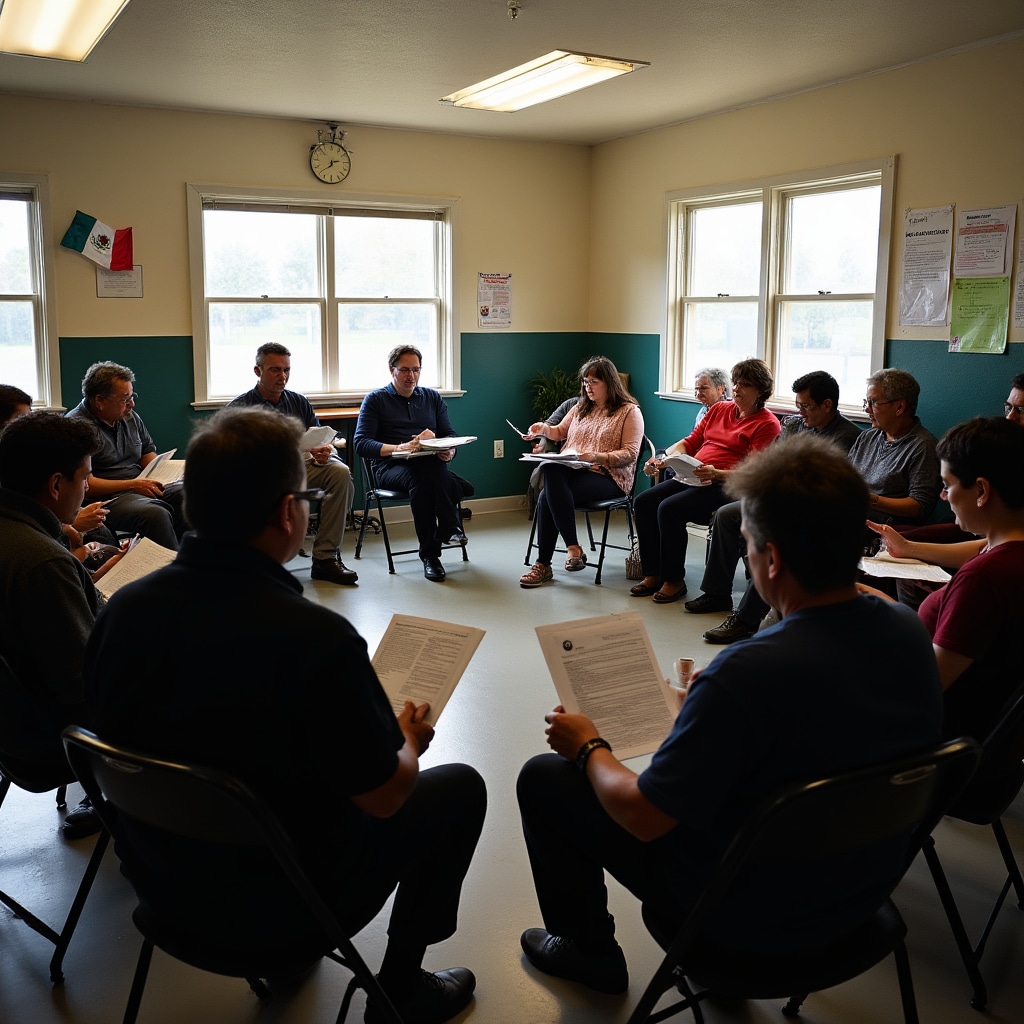
The work that became Solidverdan emerged from observing a consistent pattern across rural Mexico. Many cooperatives and community organizations receive resources from government programs, manage collective income from their activities, and need to maintain member trust through transparent financial practices. Yet they often lack the internal capacity or budget to engage professional accounting services.
This creates a challenging situation. Board members understand they need clear financial records. Members expect transparency about how collective resources are managed. But the gap between basic bookkeeping and formal accounting can feel insurmountable when you're managing a fishing cooperative's fuel expenses or an artisan group's material purchases.
The question wasn't whether these organizations needed professional accountants—many did. The question was what skills board members needed before they were ready to work with accountants effectively.

Finding the Right Approach
Early conversations with cooperative boards revealed that what they needed wasn't simplified accounting theory. They needed practical systems they could implement immediately with their current resources and experience levels.
A fishing cooperative in Chiapas didn't need to understand depreciation schedules. They needed a reliable way to track daily catch sales, document fuel purchases, and prepare clear reports for monthly member meetings. An agricultural society didn't need complex inventory methods. They needed to record harvest income, track seed and fertilizer costs, and show members how program funds were being used.
Core Principles That Emerged
Through this work, several guiding principles became clear:
- Financial management skills can be taught separately from formal accounting
- Examples must come from the specific sector—fishing, agriculture, or artisan work
- Systems must work with the organization's current capacity and resources
- The goal is transparency and trust within the organization, not external reporting compliance
- Board members need practical tools they can use immediately after the workshop